
A business can use the same amount of electricity two months in a row and still get very different bills. The reason is often demand. One brief spike can set a higher charge for the billing period.
What Demand Charges Reward and Punish
Demand charges are based on the highest rate of electricity use during a billing interval, often measured in kilowatts. Energy charges measure total consumption in kilowatt-hours. A building can be efficient overall but still expensive if it has sharp peaks.
Commercial battery storage helps by discharging when the facility approaches a peak. This process is called peak shaving. The battery reduces the amount of power pulled from the grid during high-demand moments.
NREL has reported that demand charges can represent a significant portion of commercial electricity bills, depending on the tariff and load profile.
Look at Interval Data First
A monthly utility bill is not enough. Businesses should review 15-minute or hourly interval data to see when peaks happen and how often. A battery makes the most sense when peaks are predictable, costly, and large enough to control.
Common peak drivers include refrigeration, HVAC startup, compressors, manufacturing equipment, EV chargers, pumps, and kitchen equipment.
Match the Product to the Facility
Commercial storage products are built for higher output and more demanding duty cycles than typical home systems. The battery must be sized for the site’s peak reduction target, backup needs, and available charging sources.
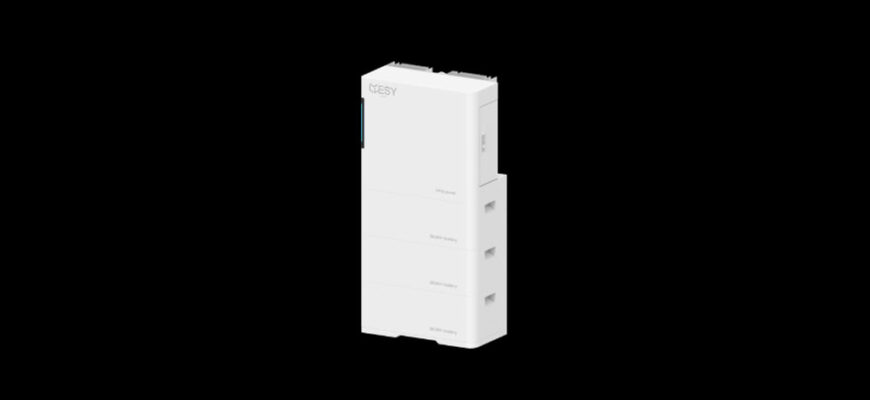
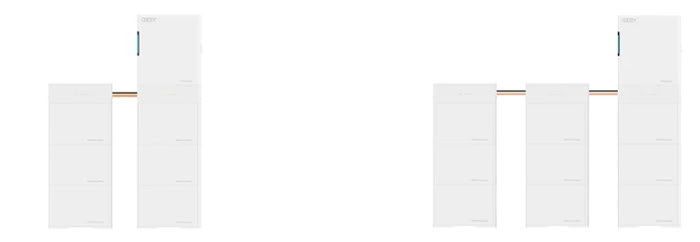
ESYsunhome’s ES125-261 ESS is listed at 125 kW / 261 kWh, making it relevant for commercial and industrial use cases such as peak shaving, solar self-consumption, and operational resilience. Buyers can compare C&I energy storage products when planning a business storage project.
Solar Can Improve the Case
Solar reduces energy purchases, but it may not eliminate demand charges. A cloudy period or late-day production schedule can still create a high grid draw.
When solar and storage work together, the battery can store surplus solar and discharge during peak load periods. That gives the facility more control over when it uses renewable energy.
The Department of Energy notes that storage helps make solar energy available when production is low or demand is high.
Controls Are the Difference Between Hardware and Savings
A commercial battery needs an energy management system. The EMS watches building load, solar production, battery state, and utility pricing. It decides when to charge and discharge.
If the controls miss the peak, the savings may disappear for that billing cycle. Good controls are not a luxury; they are central to the business case.
Backup Value Should Be Counted Separately
Demand-charge savings are one benefit. Backup power is another. A grocery store, clinic, data room, warehouse, or factory may lose far more from downtime than from a high utility bill.
A storage project should estimate both energy savings and avoided outage losses. Those are different value streams, and both may matter.
Commercial battery storage pays off when it is aimed at a clear target: reducing costly peaks, protecting operations, and making on-site energy more useful.